
Target hidden space
Foam expands through accessible voids that cannot be repaired from the surface alone.
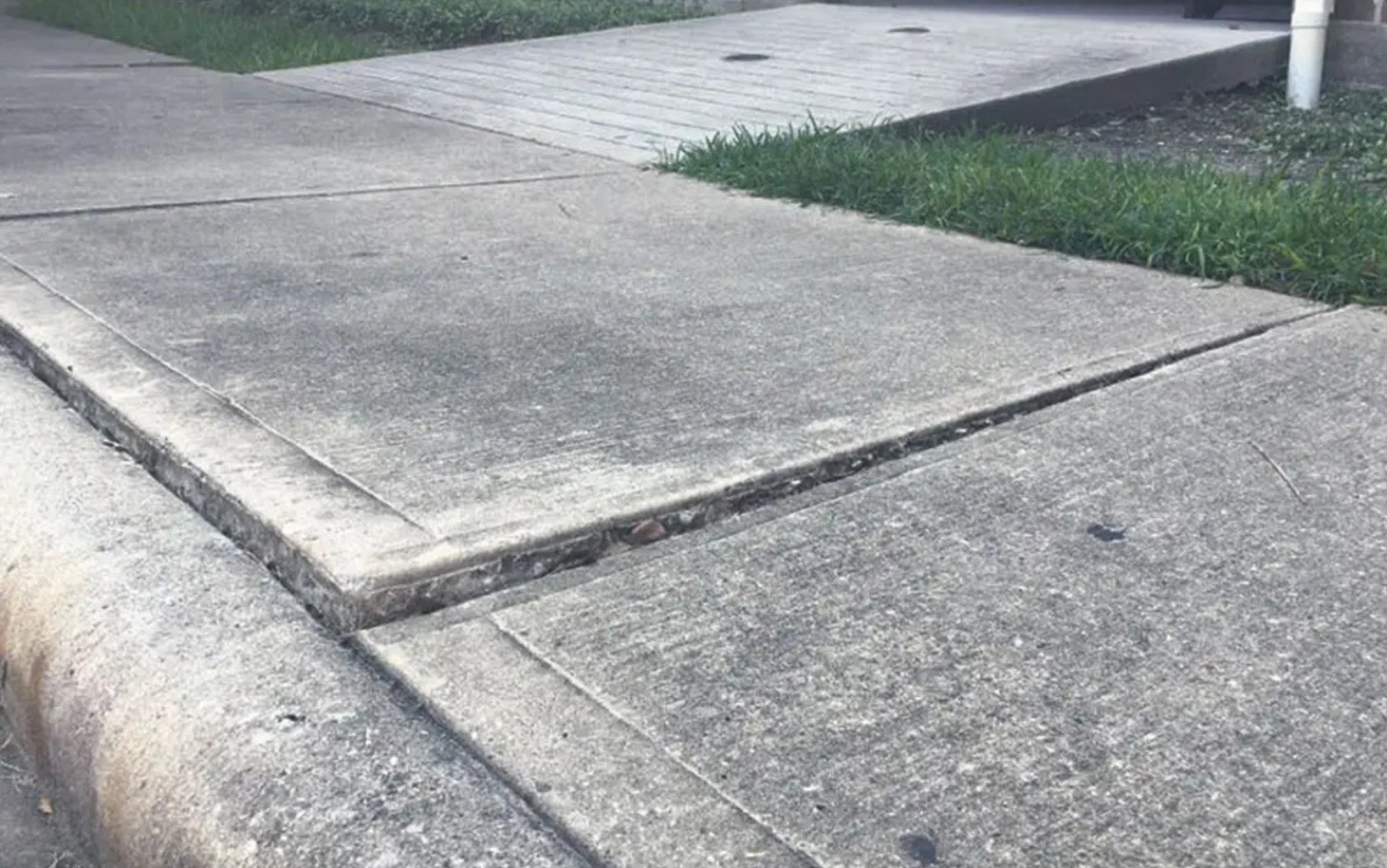
Support beneath the slab
Flatworks injects expanding polyurethane beneath suitable slabs to fill empty space, restore support, and reduce further movement caused by a loss of soil contact.
Local concrete expertise
Water movement, soil shrinkage, poor compaction, and erosion can leave empty space beneath concrete even when the surface still appears level. Unsupported areas may sound hollow, flex under load, or become more vulnerable to cracking and settlement. Waiting for a visible drop can turn a stabilization problem into a more involved repair.
Polyurethane void filling places lightweight material into the unsupported area through small injection ports. The expanding foam travels through available space and cures into a stable, water-resistant support. The goal may be stabilization alone or stabilization combined with a controlled lift, depending on the slab elevation and site conditions.
Why this repair works
Foam expands through accessible voids that cannot be repaired from the surface alone.
Low-density polyurethane avoids loading compromised soil with a heavy cement mixture.
The same process can stabilize one area and carefully raise another when appropriate.
When to request an assessment
Support slabs affected by washout, shrinkage, or edge erosion.
Fill accessible space beneath suitable interior slabs after a careful evaluation.
Stabilize supported-use areas without automatically replacing the entire section.
The Flatworks process
Every repair starts with an honest assessment of whether the existing concrete is a responsible candidate for lifting.
Review slab condition, settlement, drainage, joints, and surrounding structures.
Drill small ports and place lightweight polyurethane beneath the concrete.
Fill accessible voids and raise the slab gradually with controlled pressure.
Patch the ports, clean the work area, and explain return-to-use timing.
Straight answers
Flatworks will inspect the concrete and tell you whether lifting, stabilization, or replacement makes the most sense.
Request a free estimateThe estimator looks for visible gaps, settlement patterns, drainage sources, hollow sounds, and other site clues. The injection plan is based on the slab layout and the conditions found during the assessment.
No. Foam can be placed to stabilize space without intentionally changing the slab elevation. When lifting is also needed, the crew monitors the surface and controls the amount of rise.
Cured polyurethane is water resistant and does not wash out in the way an erodible slurry can. Correcting drainage problems may still be important to protect the surrounding soil.
Ready to make it level?
No deposit. No subcontractors. No obligation.