
Small injection ports
The 5/8-inch holes are far smaller than traditional mudjacking ports and are patched after lifting.
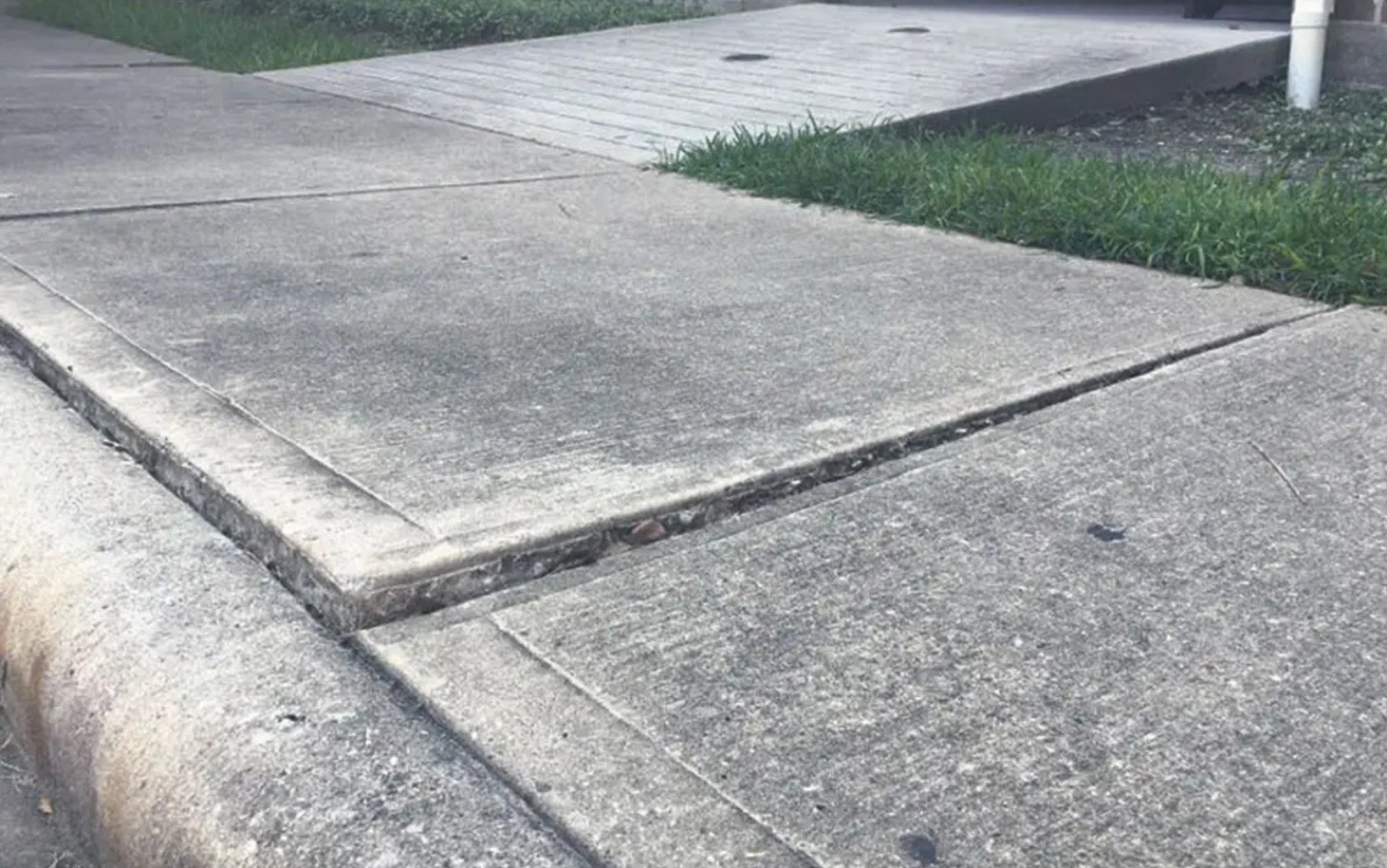
Careful lifting around pools and wet areas
Flatworks carefully raises settled pool-deck panels while filling underlying voids with lightweight, water-resistant polyurethane foam.
Local concrete expertise
Uneven pool-deck concrete can create bare-foot trip hazards, unwanted drainage paths, and stress where the deck meets coping or adjacent surfaces. Because pools combine water, buried plumbing, and multiple connected materials, the repair deserves a careful assessment before any lifting begins.
Flatworks evaluates the slab, visible joints, drainage, and nearby pool features before recommending a repair. Where foam lifting is appropriate, the crew uses controlled pressure and small injection ports to fill voids and raise settled areas gradually. The cured polyurethane is water resistant and adds very little weight to the soil beneath the deck.
Why this repair works
The 5/8-inch holes are far smaller than traditional mudjacking ports and are patched after lifting.
Cured polyurethane does not wash away when exposed to changing soil moisture.
Most projects avoid the demolition debris and extended curing schedule of replacement.
When to request an assessment
Lift isolated low areas and reduce uneven transitions around the pool perimeter.
Correct settled walkways, patios, or steps leading into the pool area.
Improve slab elevation where settlement has redirected normal surface drainage.
The Flatworks process
Every repair starts with an honest assessment of whether the existing concrete is a responsible candidate for lifting.
Review slab condition, settlement, drainage, joints, and surrounding structures.
Drill small ports and place lightweight polyurethane beneath the concrete.
Fill accessible voids and raise the slab gradually with controlled pressure.
Patch the ports, clean the work area, and explain return-to-use timing.
Straight answers
Flatworks will inspect the concrete and tell you whether lifting, stabilization, or replacement makes the most sense.
Request a free estimateEvery pool-area repair requires an on-site assessment. Flatworks considers visible plumbing locations, joints, coping, and the amount of lift before deciding whether foam is appropriate.
The cured polyurethane is water resistant and does not wash out like a cement slurry can. Drainage and soil conditions still matter to the long-term performance of the repair.
Minor cracks do not always rule out leveling, but the concrete must remain structurally suitable for lifting. The estimator will identify areas that should be lifted, stabilized, or replaced.
Ready to make it level?
No deposit. No subcontractors. No obligation.