
Precise expansion
The crew meters foam in stages and watches the slab respond throughout the lift.
The modern alternative to mudjacking
Small injection ports, expanding water-resistant foam, and precise control make polyurethane lifting a clean option for many structurally sound slabs.
Local concrete expertise
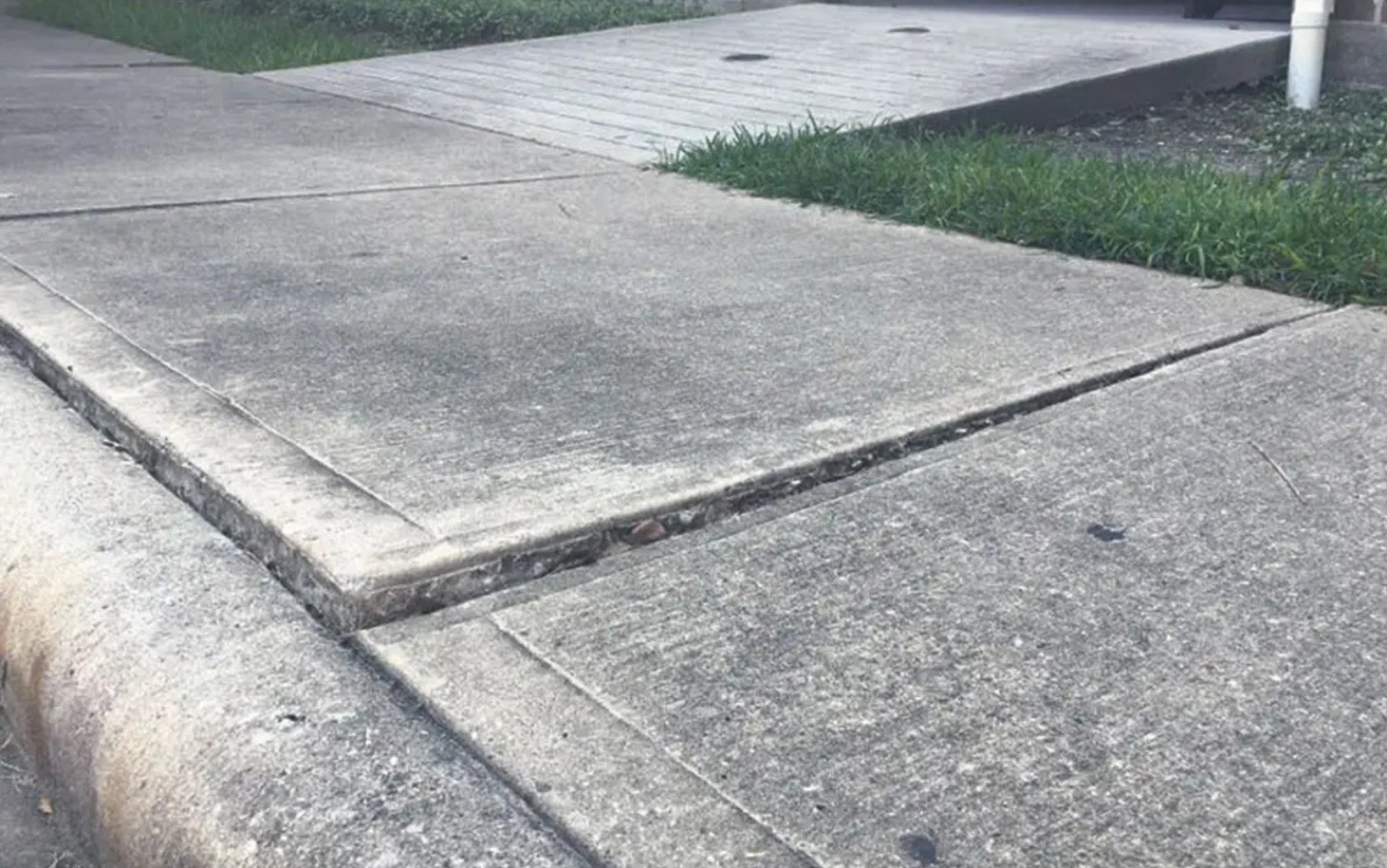
Polyurethane concrete lifting repairs settlement by addressing the space beneath the slab. After evaluating the concrete and surrounding drainage, the crew drills a pattern of small 5/8-inch ports. Two-part foam is injected through those openings, expands beneath the concrete, and fills accessible voids while creating controlled lifting pressure.
The process uses far less added weight than traditional mudjacking and normally requires much smaller holes. Because the material cures quickly, many driveways, sidewalks, patios, pool decks, and commercial walkways return to service the same day. The final recommendation still depends on slab condition: badly deteriorated concrete may be better suited for replacement.
Why this repair works
The crew meters foam in stages and watches the slab respond throughout the lift.
Typical 5/8-inch injection ports are patched after the repair.
The material cures quickly enough for many surfaces to return to use the same day.
When to request an assessment
Raise sound concrete that has dropped because support beneath it changed.
Fill accessible voids beneath slabs that do not necessarily need elevation correction.
Restore slab slope when settlement has created a low area or reversed normal runoff.
The Flatworks process
Every repair starts with an honest assessment of whether the existing concrete is a responsible candidate for lifting.
Review slab condition, settlement, drainage, joints, and surrounding structures.
Drill small ports and place lightweight polyurethane beneath the concrete.
Fill accessible voids and raise the slab gradually with controlled pressure.
Patch the ports, clean the work area, and explain return-to-use timing.
Straight answers
Flatworks will inspect the concrete and tell you whether lifting, stabilization, or replacement makes the most sense.
Request a free estimatePolyurethane is much lighter, uses smaller injection ports, resists water, and cures quickly. Mudjacking uses a heavier cement-based slurry and typically requires larger holes.
The cured material does not wash away or break down in soil. Long-term results also depend on drainage, soil movement, and the condition of the slab, which are reviewed during the estimate.
No. It is best suited to structurally sound concrete that has settled or lost support. Flatworks will recommend replacement when lifting would not provide a responsible result.
Ready to make it level?
No deposit. No subcontractors. No obligation.